
I’m a machine learning researcher with an M.Sc. in Biomedical Engineering from Universidad de los Andes (CinfonIA), advised by Prof. Pablo Arbeláez. My work focuses on multimodal and generative deep learning for scientific applications. I am currently working on projects on reproducible models and benchmarks for AI in materials science, drug discovery, and biomedical data. I’ve published in venues such as NeurIPS and Scientific Data, and I collaborate with interdisciplinary teams as a Research Assistant in the Biomedical Computer Vision Group. My research interests include generative models and multimodal learning for science and healthcare.
📝 Publications 
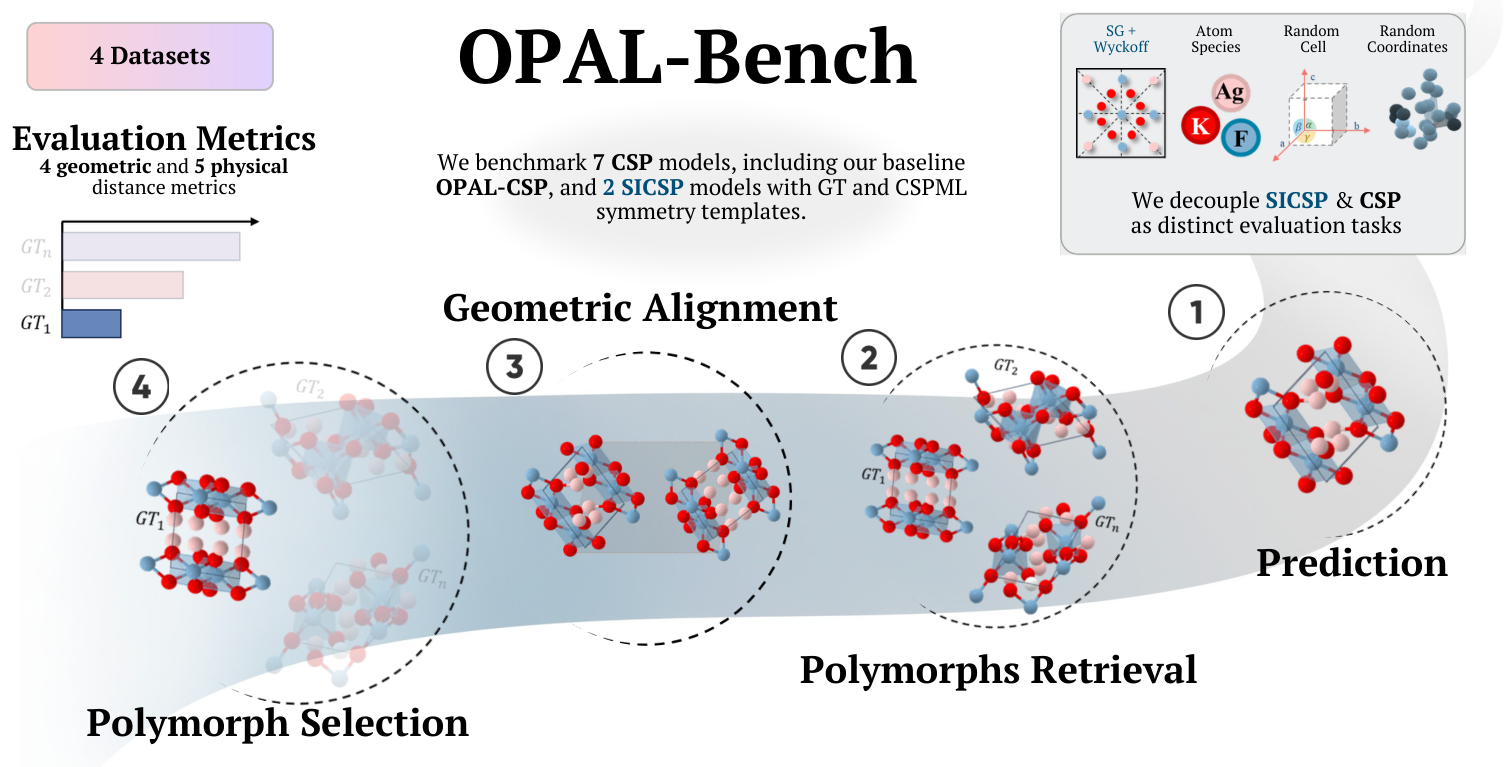
Quantitative Assessment of Crystal Structure Prediction
Sergio Rincón*, Gabriel González*, Nicolás Andrade, Rafael Velásquez, Sebastián Ojeda, Juanita Puentes, Nicolás Aparicio, Paula Cárdenas, Pablo Arbeláez (* equal contribution)
- Introduced OPAL-Bench, an orientation-invariant, polymorph-aware large benchmark for crystal structure prediction (CSP).
- Developed OPAL-CSP, a top-ranking generative model that predicts crystal structures both geometrically accurate and physically plausible.
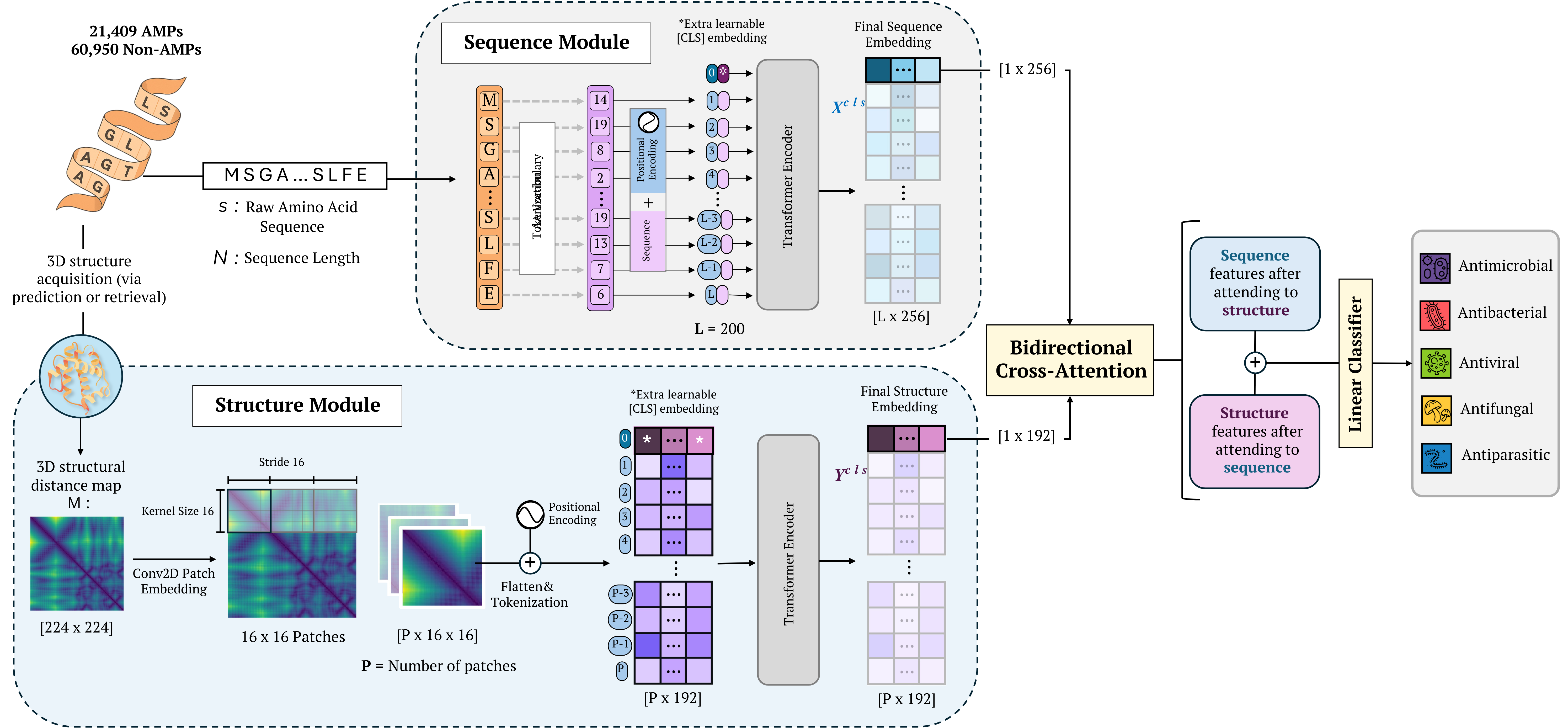
A Standardized Benchmark for Multilabel Antimicrobial Peptide Classification
Sebastian Ojeda, Rafael Velasquez, Nicolás Aparicio, Juanita Puentes, Paula Cárdenas, Nicolás Andrade, Gabriel González, Sergio Rincón, Carolina Muñoz-Camargo, Pablo Arbeláez
- Built a comprehensive benchmark for multilabel antimicrobial peptide (AMP) classification, under a unified set of antimicrobial categories.
- Implemented a new SOTA baseline for AMP discovery employing transformers modules for sequence and 3D structure processing.
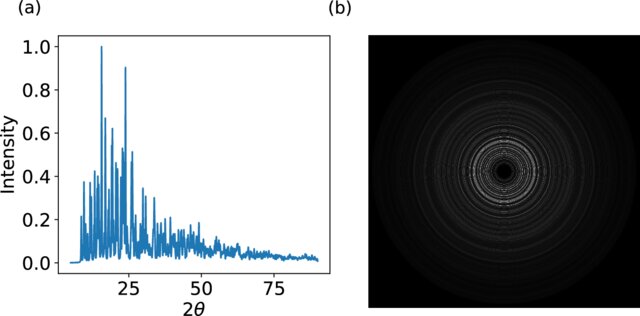
A new benchmark for machine learning applied to powder X-ray diffraction
Sergio Rincón, Gabriel González, Mario A. Macías, Pablo Arbeláez
- Curated SIMPOD dataset of simulated powder XRD patterns from 467,861 crystal structures (COD), with 1D diffractograms and radial 2D representations.
- Created an open source pipeline for benchmarking Machine Learning and Computer Vision models for Space Group Prediction.
🎖 Honors and Awards
- 2019.01, Quiero Estudiar Escala Scholarship, Recipient of 95% tuition coverage awarded for academic excellence.
- 2025.10, RISE–MICCAI Mentorship Program, Selected mentee in a one-year program supporting early career researchers from low/middle income countries; mentored in collaboration with the University of Birmingham, UK.
📖 Education
- 2024.08 - 2026.04, Universidad de los Andes, M.Sc. Biomedical Engineering.
- 2021.01 - 2024.04, Universidad de los Andes, B.Sc. Biomedical Engineering.
- 2019.01 - 2024.10, Universidad de los Andes, B.Sc. Electronics Engineering.
🎓 Theses
- M.Sc. Thesis, Universidad de los Andes
- Towards symmetric crystal structure prediction with flow matching equivariant transformers Google Scholar
Advisor: Pablo Arbeláez
- B.Sc. Thesis, Universidad de los Andes
- Robust-NeuroBiometrics: sistema robusto de identificación biométrica basado en señales de electroencefalograma (EEG) Google Scholar
Advisors: Pablo Arbeláez Fernando Lozano
🔬 Experience
- Research Assistant, Universidad de los Andes
- Research at the Biomedical Computer Vision Group at CinfonIA, advised by Prof. Pablo Arbeláez, focusing on multimodal and generative deep learning for drug discovery and materials design.
- External Researcher, University of Birmingham
- Research at the Computer Science Department, advised by Prof. Samuel Montero-Hernandez, focusing on multimodal brain decoding for fNIRS.